
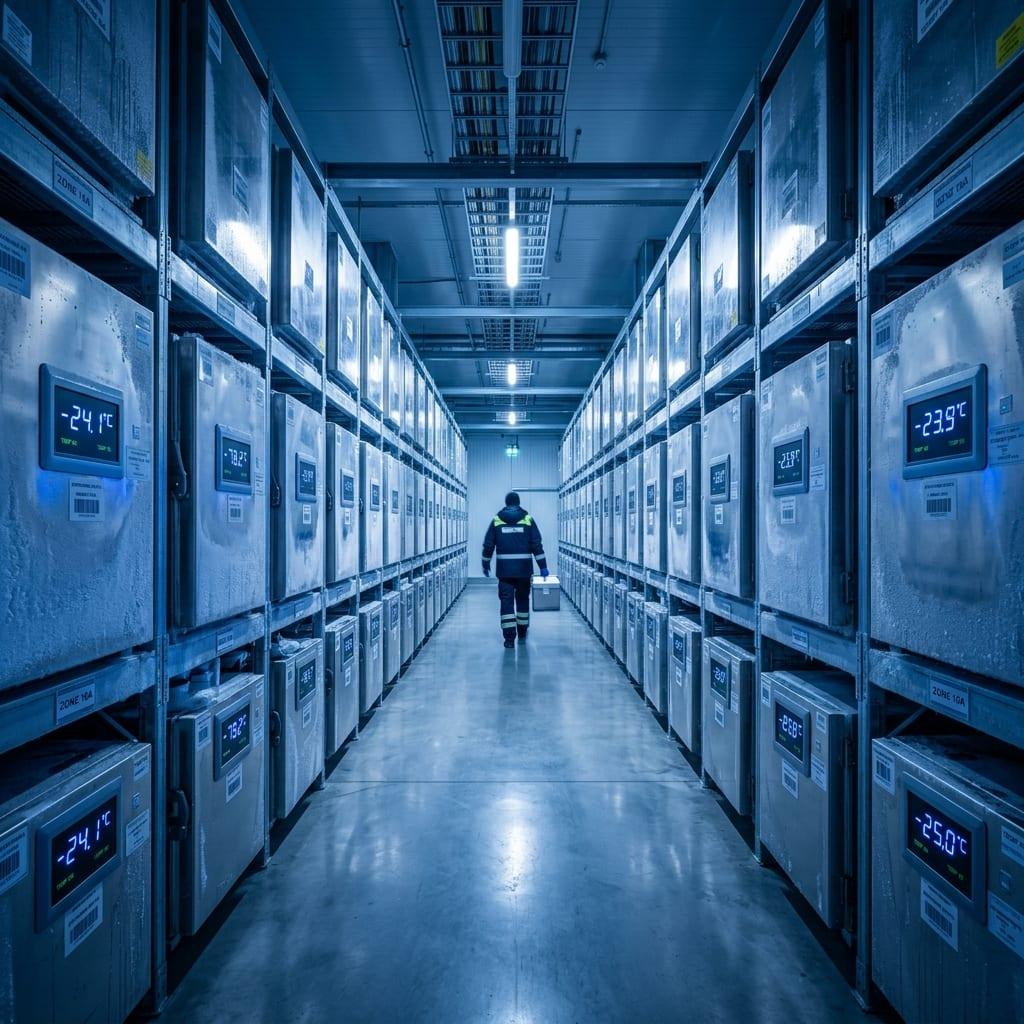
In the pharmaceutical industry, the integrity of a product is only as strong as the supply chain that delivers it. For tropical climates like Sri Lanka, maintaining a strict cold chain is one of the most critical and complex challenges faced by manufacturers and distributors. With a growing reliance on biologics, vaccines, and temperature-sensitive medications, overcoming these logistical hurdles is essential for patient safety and business viability.
The High Cost of Temperature Excursions
A temperature excursion occurs when a pharmaceutical product is exposed to conditions outside its approved storage parameters. In a climate where average daytime temperatures frequently exceed 30°C (86°F), even a minor delay during transport or a brief power outage at a storage facility can compromise an entire shipment.
The consequences are severe: compromised drug efficacy, patient safety risks, and catastrophic financial losses for the manufacturer. Preventing these excursions requires a proactive, technology-driven approach to warehousing and distribution.
Modernizing Storage Facilities
The foundation of a reliable cold chain is the central warehousing facility. Modern pharmaceutical distributors in Sri Lanka are investing heavily in risk-minimized infrastructure. This includes:
- Redundant Power Systems: Multiple backup generators with automatic transfer switches to ensure zero downtime during grid fluctuations.
- Continuous Monitoring: Real-time IoT sensors that track temperature and humidity 24/7, sending instant alerts if parameters begin to drift.
- Zoned Storage: Strict segregation of products requiring 2°C–8°C storage versus those requiring controlled ambient environments (15°C–25°C).
Securing the Last Mile
While central storage is highly controlled, the "last mile" of delivery to regional hospitals and local pharmacies is where the cold chain is most vulnerable.
To mitigate this, industry leaders utilize specialized reefer (refrigerated) vehicles equipped with active cooling systems and GPS-enabled temperature loggers. For smaller deliveries, advanced passive cooling solutions—such as phase change materials (PCMs) and vacuum insulated panels (VIPs)—are deployed to maintain strict temperature controls even during extended transit times to remote areas.
A Commitment to Integrity
Ultimately, overcoming cold chain challenges requires more than just equipment; it demands rigorous adherence to Standard Operating Procedures (SOPs) and comprehensive staff training. At Inspira Worldwide, we recognize that we are not just moving boxes—we are delivering critical healthcare solutions. By maintaining an unbroken, highly monitored cold chain, we ensure that every product reaches the patient exactly as the manufacturer intended.