
Colombo, the commercial capital of Sri Lanka, is experiencing a rapid transformation in its healthcare retail landscape. As urban populations grow and consumer expectations for immediate availability of medicines rise, the traditional models of pharmaceutical distribution are being pushed to their limits. Today, success in pharmacy retail distribution requires agility, data-driven inventory management, and highly optimized last-mile logistics.
The Challenge of Urban Logistics
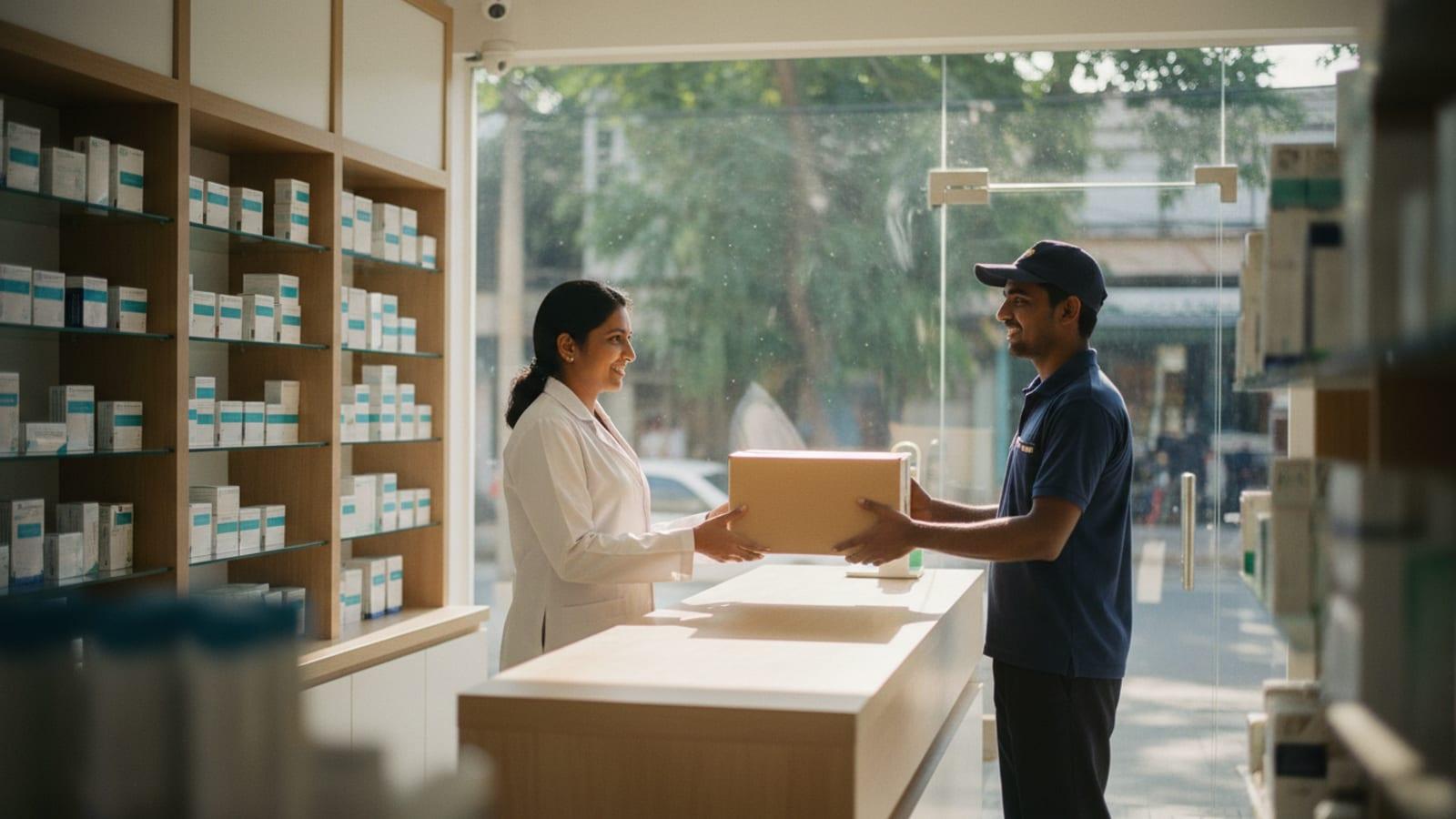
Distributing pharmaceuticals within a dense urban environment like Colombo presents unique logistical hurdles. Heavy traffic congestion, restricted delivery windows, and the sheer density of independent pharmacies and retail chains require a highly coordinated dispatch strategy.
Distributors can no longer rely on rigid, infrequent delivery schedules. Instead, there is a shift toward dynamic routing and high-frequency, smaller-batch deliveries. This approach minimizes the storage burden on retail pharmacies while ensuring that fast-moving critical medications never go out of stock.
Preventing Stockouts with Data Integration
A stockout at the retail level doesn't just mean a lost sale—it represents a disruption in patient care and potential damage to the manufacturer's brand trust. To combat this, modern distributors are enhancing the way they interact with retail outlets.
- Predictive Analytics: Utilizing historical sales data to anticipate seasonal demand spikes for specific therapeutic categories (e.g., respiratory medications during monsoon seasons).
- Streamlined Ordering: Implementing digital portals and direct communication channels that allow pharmacies to easily place emergency orders and track delivery statuses in real-time.
- Inventory Auditing: Regular engagement by sales representatives to help pharmacies manage expiring stock and optimize their shelf space.
The Rise of Organized Pharmacy Chains
While independent neighborhood pharmacies remain the backbone of Sri Lanka's retail sector, there is a noticeable consolidation toward organized, multi-outlet pharmacy chains. These chains demand a different level of service from distributors. They expect centralized billing, consolidated bulk deliveries to their own central hubs, and strict adherence to Service Level Agreements (SLAs).
Distributors must be versatile enough to cater to both the highly structured demands of large chains and the flexible, high-touch needs of independent retailers.
Conclusion
The evolution of pharmacy retail in Colombo is a testament to the broader modernization of Sri Lanka's healthcare system. For pharmaceutical manufacturers, partnering with a distributor that understands urban logistics and prioritizes continuous supply chain coordination is critical. At Inspira Worldwide, we continually refine our delivery flow management to ensure that essential medicines are always within reach of the patients who need them.